


The Allure of Risk and Reward in Gambling
The human fascination with gambling is deeply rooted in our psychology, particularly in the intricate interplay between risk and reward. At its core, gambling offers the potent thrill of potential gain against the backdrop of potential loss, and for those interested in exploring this further, you can click here to learn more about opportunities. This dynamic taps into primal reward pathways in the brain, releasing dopamine, a neurotransmitter associated with pleasure and motivation. The anticipation of a win, even a small one, can be incredibly powerful, driving individuals to continue participating despite unfavorable odds.
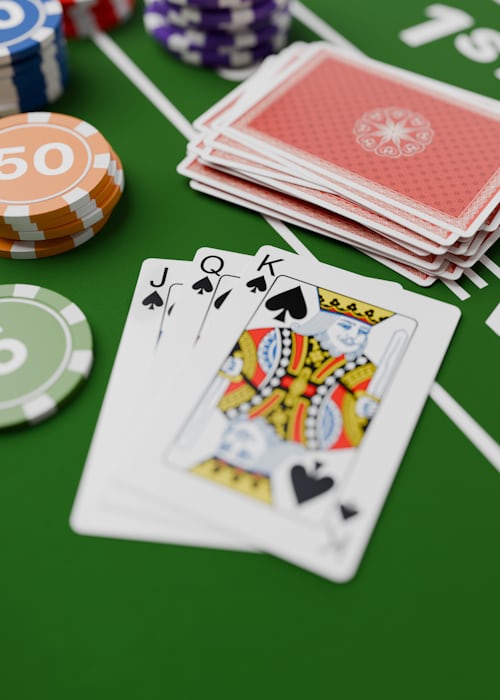
This psychological pull is amplified by the element of chance. Unlike activities where success is solely dependent on skill or effort, gambling introduces an unpredictable variable. This unpredictability can be both exciting and frustrating, creating a unique emotional rollercoaster for participants. The possibility of a “big win,” however improbable, remains a powerful motivator, often overshadowing rational considerations of probability and long-term expected outcomes.
Cognitive Biases Shaping Gambling Decisions
Gamblers are often subject to a range of cognitive biases that significantly influence their decision-making processes. The “illusion of control” is a prominent example, where individuals believe they can influence random outcomes through their actions, superstitions, or rituals. This belief can lead to overconfidence and a disregard for the inherent randomness of games of chance.
Another critical bias is the “near-miss effect,” where almost winning can be as reinforcing as an actual win. The feeling of being “close” encourages players to continue, as they perceive a win as being just around the corner. Furthermore, the “gambler’s fallacy” leads individuals to believe that past random events influence future independent events, such as thinking a roulette wheel is “due” for a certain number after a string of different outcomes.
The Social and Emotional Landscape of Gambling
Beyond the individual psychological mechanisms, social and emotional factors play a crucial role in competitive gambling. For some, gambling environments offer a sense of community and belonging, a place to socialize and share in the excitement. The shared experience of risk and potential victory can foster camaraderie and a sense of group identity.
Emotionally, gambling can be used as a coping mechanism for stress, anxiety, or boredom. The intense focus required during gameplay can provide an escape from daily worries, while the highs of winning can offer temporary relief. However, this can easily lead to a cycle of chasing losses to alleviate negative emotions, further entrenching problematic gambling behaviors.
Understanding Problematic Gambling and Its Triggers
While many engage in gambling recreationally, a subset of individuals develop problematic gambling behaviors. This is often characterized by a loss of control, an increasing preoccupation with gambling, and continued engagement despite negative consequences. Understanding the psychological triggers is vital for intervention and support.
Factors such as a predisposition to addiction, significant life stressors, and the availability of easy access to gambling platforms can contribute to the development of problematic gambling. The continuous availability of online gambling, for instance, removes many of the traditional barriers and allows for more frequent and intense engagement, exacerbating these psychological vulnerabilities.

Exploring the Psychology of Gambling at Svafrkanderplein
Websites like Svafrkanderplein, which can provide access to various forms of competitive gambling, often leverage an understanding of these psychological principles to engage users. While offering entertainment, they also implicitly showcase how the allure of risk, the anticipation of reward, and the social aspects draw individuals in. The design and presentation of games on such platforms are frequently optimized to tap into these psychological drivers, from the visual cues of potential wins to the rapid feedback loops that reinforce engagement.
By presenting a wide array of options and opportunities, Svafrkanderplein can cater to different psychological profiles of gamblers. The platform’s structure may inadvertently highlight the cognitive biases discussed, as users navigate odds and make decisions. Understanding the psychology behind these offerings can empower individuals to approach their engagement with a greater awareness of their own decision-making processes and the inherent allure of competitive gambling.